Comparisons
Two-Week Battlefield Cheat Comparison Test
My Discord kept recommending a popular budget battlefield cheat shop. I gave it fourteen days on the same PC and official servers, then moved to Battlefield Cheats. This is what actually differed — without the usual affiliate script.
Official game guides & resources
We link to trusted third-party sources so you can verify patch notes, player stats, and map info outside our site.
- Battlefield 6 on Steam Official store page, system requirements, and player reviews.
- Steam patch notes & news Read official update posts before you change your loadout.
- Official Battlefield 6 website Game overview from EA / Battlefield Studios.
- Battlefield 6 Wiki (Fandom) Maps, classes, weapons, and multiplayer modes.
- Steam Community hub Announcements and community discussions.
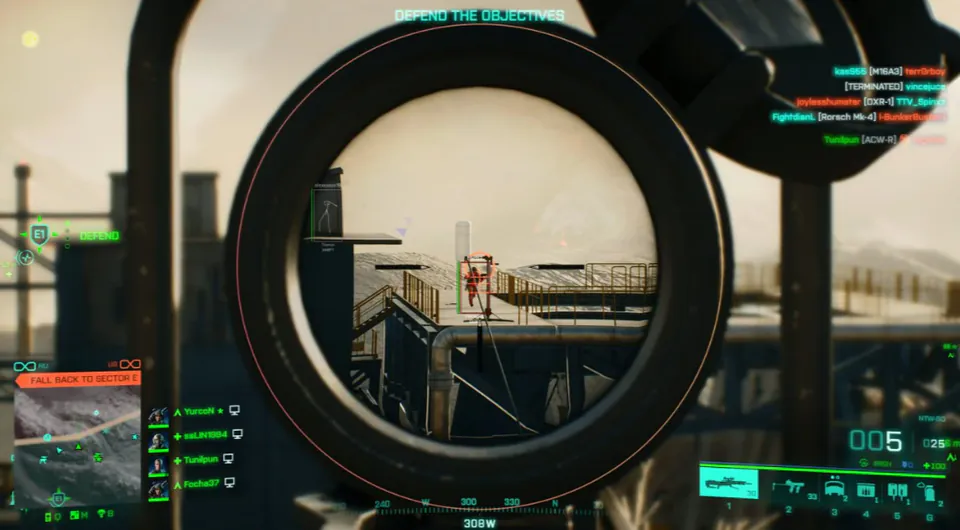
Week one — setup and first impressions
Delivery was fine: license in email, loader as admin, overlays disabled. Menu learning took a couple evenings. Player ESP was readable. Loot ESP felt secondary. I ran several nights with information tools only and no aim assist so I could judge visibility on its own.
Battlefield Cheats later felt similar on install time, but filters for loot drops and sectors were easier to toggle independently during map control routes.
Soft aim and the mid-session feel
Conservative FOV soft aim helped SMG and AR tracking. Sniping needed manual profile swaps that slowed me down. When I pushed smoothness too low, corrections looked obvious in review clips. Tuning toward smoother tracking fixed kills and reduced the robotic look.
On Battlefield Cheats I relied more on per-weapon profiles so high-traffic zones and long peeks did not share one magnet. Details are in the aimbot guide.
The patch window that ended the trial
A Battlefield plus EA AntiCheat update landed mid-test. The other tool’s status went quiet without a clear ETA. I skipped deploys while my group played without me. A rebuild arrived days later; stability was mixed. That downtime — not a single feature screenshot — pushed me to switch.
Battlefield Cheats won me over with written notes on Updates. I still do not deploy blind after patches on any tool.
After switching — what improved for my matches
Independent loot drops and player toggles cleaned late-session screens. Radar helped capture sectors. Support replies with order ID were fast enough during setup week. Pricing math favored a single full stack over stacking weekly subs — see Pricing.
If you run your own test, measure patch downtime hours, not just day-one vibes. Then read Setup before you buy anything.
How to run your own fair comparison
Match the same PC, servers, and match length for each tool. Track patch downtime hours, not just first-night impressions — that is usually where budget shops lose.
If you switch, follow Setup, bookmark Updates, and tune aim profiles before you judge the full stack.